

GLOBAL SCALE, LOCAL PRECISION
Weather intelligence you can trust.
Build with authority. Access the official data streams used by national emergency services, aviation, and marine logistics. We’re modernising our APIs with a broad set of reliable weather and earth science data for New Zealand and Australia. Connect to global models or our own high-resolution local models via a relaunched platform that is evolving. It’s backed by a team that’s committed to improving the developer experience so that you can build better with earth science intelligence.
Trusted partners








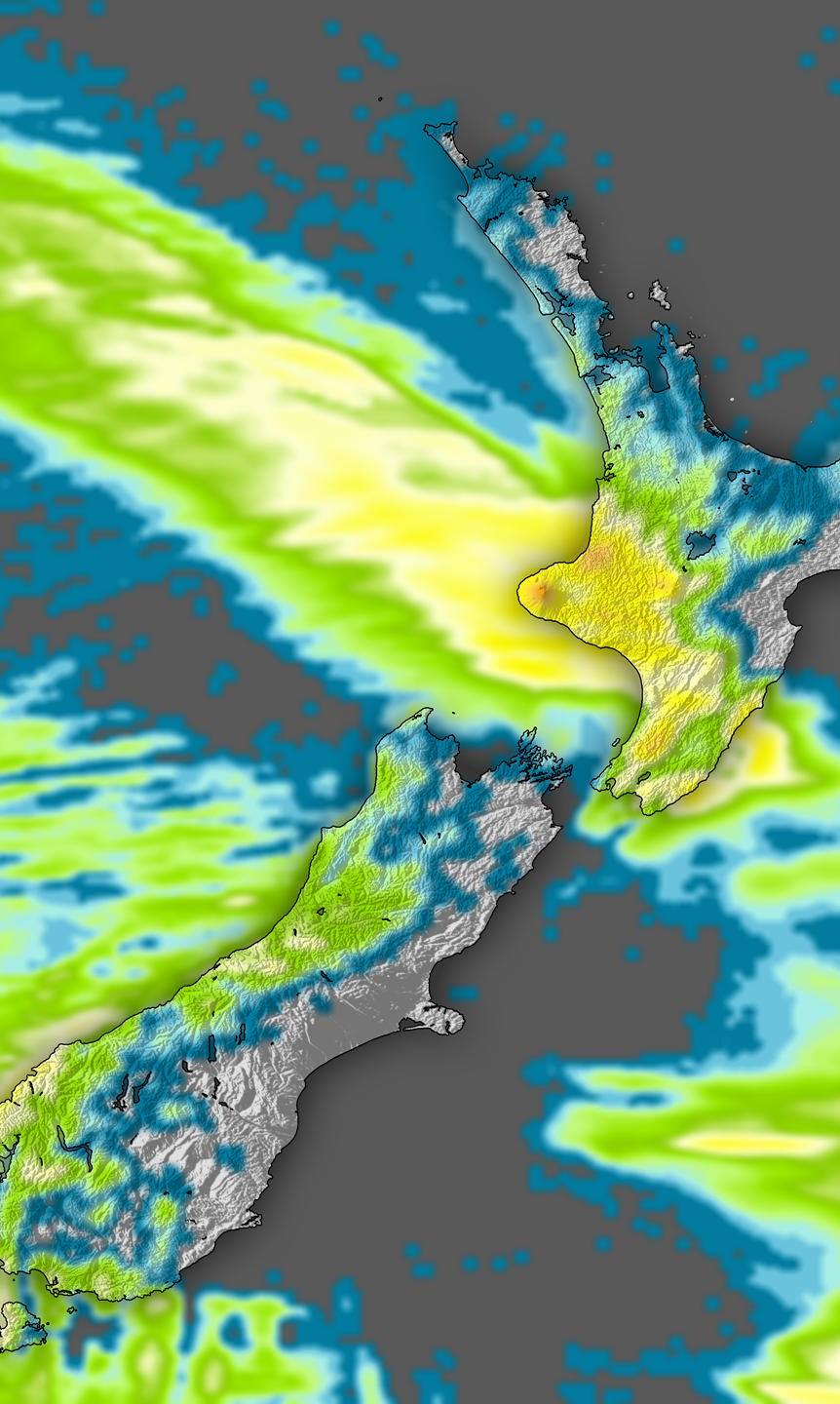
Beyond Global Models
Many weather platforms rely primarily on generic global models. While these are useful for the big picture, and we do offer them, they often miss the critical nuances of local weather patterns.
As New Zealand's National Meteorological Service, we operate our own high-resolution 4km WRF models, specifically tuned for our region. We aim to deliver the "spot forecast" accuracy you need for specific locations, from a single farm gate to an inner-city suburb.
The Expertise of an Official Partner
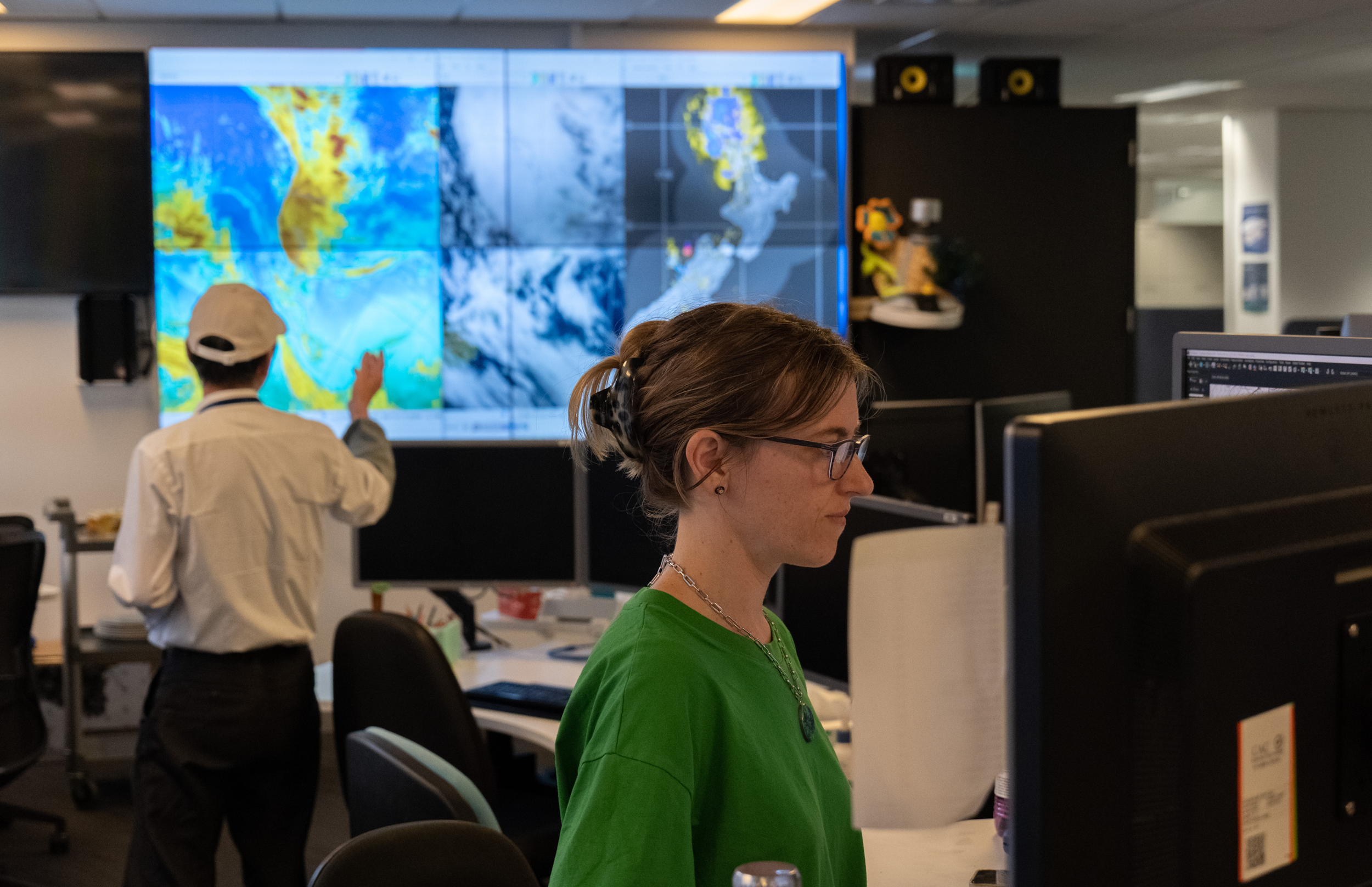

We are New Zealand’s designated National Meteorological Service and official representative to the World Meteorological Organization (WMO). This means we hold ourselves to the highest international standards of scientific integrity.
Our data isn't just aggregated; it's generated by top-tier meteorologists and data scientists. This expertise is why critical decisions by the New Zealand government and emergency management agencies rely on our data. We’re proud to bring that same level of official, verified intelligence to your applications.
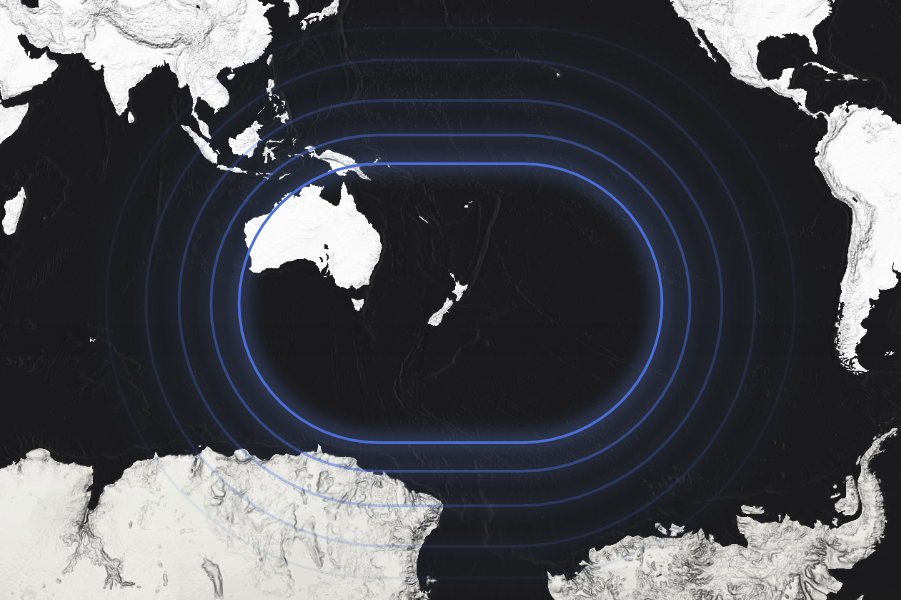
A True Local Partner
We aren't just in your region; we are from it with offices in New Zealand and Australia. We understand your operational context because we live it.
Local Support: Speak to real experts in your time zone.
Local Infrastructure: Hardware on the ground where it matters.
Local Insight: Data tuned for the unique micro-climates of NZ and Australia.
We’re here to help you succeed. Being local means we’re within reach—we hear your feedback and we act on it. Our platform evolves based on what you tell us, ensuring we’re always improving to meet your needs.

Building a Better Developer Experience
We’re on a journey to make our platform as developer-friendly as possible. Our API is built on RESTful architecture with OpenAPI documentation to help you get started, but we know there’s always room for improvement.
Get your API key and make your first call for free. We provide guides and code examples to help you build and test with confidence. If you run into friction, tell us, we’re listening.
We see ourselves as your partner in innovation. We’re actively integrating AI and machine learning into our forecasting models with demonstrable improvements in verified accuracy. We’re excited to share these improvements with you soon, as we evolve our platform to make data integration easier than ever.
Available Variables
Our catalogue extends far beyond standard forecasts, offering robust aviation, marine, atmospheric, and energy datasets with over 100+ distinct variables.
Wind

Access high-resolution wind data for planning, safety, and renewables. Forecasts include speed, direction, and crucial gust data for modeling structural loads.
Solar

Optimize solar generation with essential energy modeling variables. Forecast incoming solar radiation and cloud cover to predict output and panel efficiency.
Precipitation

Get a clear view of atmospheric conditions with our cloud cover & precipitation rates to drive smarter planning and resource allocation.
Atmospheric

Integrate essential atmospheric data, including air temperature, atmospheric pressure and humidity forecasts. Use these to optimize energy consumption, automate climate control systems, and maintain precise environmental standards.
Marine

Power your marine operations with comprehensive ocean data. Access wave height, period, sea temperature, and current speeds for a complete picture of the sea state and sea routes.
Coming soon
Shortly we’ll be making our proprietary weather station observation network, our Aviation specific-data and our tidal predictions and our real-time Nowcast forecasts available.
FAQs
-
Think of an API (Application Programming Interface) as a digital pipeline that delivers raw data directly into your software. Instead of you downloading a data file to get a weather forecast, your application "talks" to our servers to fetch that exact data automatically. This allows you to build apps, dashboards, or automated workflows that update instantly without any manual effort.
It is the industry standard for how modern software communicates. If you are new to the concept and want a deep dive, we recommend asking a tool like ChatGPT or Gemini "How do REST APIs work?" for a comprehensive, interactive explanation.
-
Short answer, yes. MetService operates in New Zealand while MetraWeather operates everywhere else in the world. MetOcean was acquired by MetService in 2013 and their APIs are being consolidated into the platform
-
We’re relaunching MetService’s API platform beginning with the Point Forecast API. We’re aiming to expose more of our data publicly via API, so check back again soon to see what’s available or coming soon.
Have any further questions, contact our helpful team.